
Backlinks for Your Website: A Complete Strategy Guide
Learn how to build quality backlinks for your website with proven strategies. Covers guest posting, content marketing, outreach, and free link building techniques for any niche.

Every website owner eventually faces the same question: how do I get other sites to link to mine? Backlinks for your website are not just a vanity metric. They are one of the strongest signals search engines use to determine whether your content deserves to rank. The more high-quality sites that point to your pages, the more authority and trust your domain accumulates in Google's eyes.
This guide walks you through a complete, actionable strategy for building backlinks for your website, from understanding why they matter to executing ten proven tactics you can start using today. For a broader overview of backlink fundamentals, types, and quality signals, see our complete backlinks guide.
Why Your Website Needs Backlinks
Backlinks serve multiple purposes that go far beyond just improving a single ranking metric.
They are a top ranking factor. Google has repeatedly confirmed that backlinks remain one of the most important signals in its algorithm. Pages in the top search positions consistently have more referring domains than those ranked lower.
They build domain authority over time. Each quality backlink adds to the overall trust of your domain. As your authority grows, new pages you publish have a better chance of ranking quickly, even before they earn their own backlinks.
They drive referral traffic. A well-placed link on a popular blog or resource page sends qualified visitors directly to your site. This traffic is independent of your search rankings and provides a valuable diversified traffic source.
They speed up indexation. Search engine crawlers discover new content by following links. When authoritative sites link to your pages, Googlebot finds and indexes them faster, which is especially important for newer websites.
They establish brand credibility. Being referenced and linked to by reputable sources in your industry positions your brand as a trusted authority, creating a compounding cycle where more visibility leads to even more natural backlinks.
How Many Backlinks Do You Need?

There is no universal number. The backlinks your website needs depend entirely on your niche, the competition for your target keywords, and the current strength of your domain.
Assess the competitive landscape. Look at the top-ranking pages for the keywords you want to target. How many referring domains do they have? If the top three results each have backlinks from 50 to 100 unique domains, that gives you a realistic benchmark.
Domain authority matters. A website with high domain authority may rank with fewer backlinks per page because the site-wide trust is already established. A newer site will typically need more backlinks to compete for the same keywords.
Quality outweighs quantity every time. Ten backlinks from authoritative, relevant websites in your industry will do more for your rankings than 500 links from low-quality directories or unrelated blogs. Focus on earning links that a real human would actually click.
Think in terms of referring domains. One hundred links from a single website count far less than one link each from one hundred different domains. Search engines value the diversity of your link profile.
As a general rule of thumb, start by aiming to match the referring domain count of your direct competitors for each target keyword, then work on surpassing them over time with consistent effort.
10 Proven Strategies to Get Backlinks for Your Website

1. Create Linkable Assets
The single most effective long-term strategy for earning backlinks is creating content that other websites genuinely want to reference. Linkable assets include:
- Free tools and calculators. Interactive tools that solve a specific problem attract backlinks naturally. A mortgage calculator, a word counter, or an ROI estimator can earn links for years with minimal maintenance.
- Original data studies and surveys. Content backed by unique data gets cited by journalists, bloggers, and researchers. Run an industry survey, analyze a public dataset, or compile proprietary metrics into a shareable report.
- Comprehensive guides and definitive resources. In-depth content that covers a topic more thoroughly than anything else available becomes the default reference that others link to.
When planning your linkable assets, use a tool like SEOLens to identify keywords with strong search volume and clear link-building potential. Targeting the right topics ensures your assets attract both organic traffic and backlinks.
2. Guest Posting on Relevant Blogs
Guest posting remains one of the most reliable ways to build backlinks for your website when done with the right approach:
- Identify relevant targets. Look for blogs in your niche that accept guest contributions and have genuine readership. Avoid sites that exist solely to publish guest posts.
- Pitch unique topics. Propose article ideas that fill a gap in their existing content rather than rehashing what they have already covered.
- Write genuinely useful content. Your guest post should be as good as or better than what you publish on your own site.
- Include contextual links naturally. A link placed within the body content, where it genuinely adds value for the reader, carries more weight than one buried in an author bio.
Aim for one to two quality guest posts per month rather than mass-producing low-quality submissions.
3. Broken Link Building
This strategy involves finding broken links on other websites and offering your content as a replacement. It works because you are solving a problem for the webmaster while earning a link for yourself.
- Find resource pages and high-authority articles in your niche.
- Use a browser extension like Check My Links or a tool like Ahrefs to scan for broken outbound links (404 errors).
- Create content that matches or improves upon the original resource that the broken link pointed to.
- Reach out to the site owner with a friendly email, let them know about the broken link, and suggest your content as a replacement.
The success rate is typically higher than cold outreach because you are offering clear value rather than simply asking for a favor.
4. Resource Page Link Building
Many websites maintain curated lists of helpful tools, guides, and resources on specific topics. Getting included on these pages earns you a contextually relevant backlink from a page specifically designed to link out.
Search Google using queries like:
"your topic" + "useful resources""your niche" + inurl:resources"your industry" + "recommended tools"
When you find a good fit, send a short, personalized email explaining what your resource is and why it would be a valuable addition to their list.
5. HARO and Journalist Queries
Platforms like HARO (Help A Reporter Out), Connectively, and Qwoted connect journalists with expert sources. Responding to relevant queries can earn you backlinks from major publications, news sites, and high-authority industry outlets.
Tips for success:
- Respond quickly. Journalists often work on same-day deadlines.
- Be specific and quotable. Provide concrete insights, data points, or actionable advice rather than generic platitudes.
- Include credentials. Briefly establish why you are qualified to speak on the topic.
- Keep it concise. Aim for three to five focused paragraphs that the journalist can use directly.
Even a handful of successful HARO placements per year can generate powerful backlinks that would be nearly impossible to obtain through other channels.
6. Infographics and Visual Content
Visual content is inherently more shareable than plain text. When other websites embed your infographic or reference your chart, they typically include an attribution link back to the source.
Create infographics that:
- Summarize complex data or processes into a visually digestible format.
- Tell a story with a clear narrative arc from top to bottom.
- Include your branding and a source URL in the footer.
After publishing, actively promote your visual content by reaching out to bloggers who cover the topic and offering the infographic for embedding with a link credit.
7. Competitor Backlink Analysis
Your competitors have already done much of the hard work of finding link opportunities. Studying their backlink profiles reveals exactly where to focus your own efforts.
- Identify your top three to five competitors for your target keywords.
- Use a backlink analysis tool to export their linking domains.
- Look for patterns: Are they getting links from specific directories, resource pages, industry publications, or guest post sites?
- Prioritize the opportunities that are most replicable and reach out to those same sources with your own content.
Pay special attention to the "link gap": domains that link to multiple competitors but not yet to you. These are the highest-probability outreach targets.
8. Community Engagement
Forums, Q&A sites, and online communities can generate both backlinks and referral traffic when you participate authentically.
- Answer questions on platforms like Quora and Reddit where your expertise is relevant. When your content genuinely answers the question, include a link as a supporting reference.
- Participate in industry-specific forums. Many niche communities allow signature links or profile links that, while often nofollow, contribute to a natural link profile and drive qualified visitors.
- Join and contribute to Slack communities, Discord servers, and Facebook groups. While these do not produce traditional backlinks, they build relationships that lead to link opportunities when other members reference your work on their own sites.
The key is to provide genuine value first and link to your content only when it truly enhances the discussion.
9. Partnerships and Co-Marketing
Collaborating with complementary businesses or content creators opens up mutual link-building opportunities that benefit both parties.
- Co-create content. Joint research reports, co-authored guides, or collaborative webinars give both parties a reason to link to the shared asset.
- Cross-promote on each other's blogs. Feature each other's expertise through interviews, expert roundups, or case studies.
- Offer testimonials. Many companies display customer testimonials on their website with a link back to the customer's site. If you use a product or service you genuinely endorse, offer a testimonial in exchange for a linked attribution.
- Sponsor local events or industry meetups. Event pages typically list sponsors with a link, providing a relevant and authoritative backlink.
10. Internal Linking Optimization
While internal links are not backlinks in the traditional sense, optimizing your internal linking structure amplifies the value of every external backlink your website earns.
- Link from high-authority pages to important content. If one of your pages has earned strong backlinks, make sure it links to the other pages you want to rank.
- Use descriptive anchor text. Instead of "click here," use anchor text that describes the linked page's topic.
- Create topic clusters. Group related content together with a pillar page that links to supporting articles, and have those articles link back to the pillar. This helps search engines understand your topical authority.
- Audit for orphan pages. Pages with no internal links pointing to them are effectively invisible to both search engines and users. Regularly check for orphan pages and integrate them into your site's link structure.
How to Track Your Backlink Progress
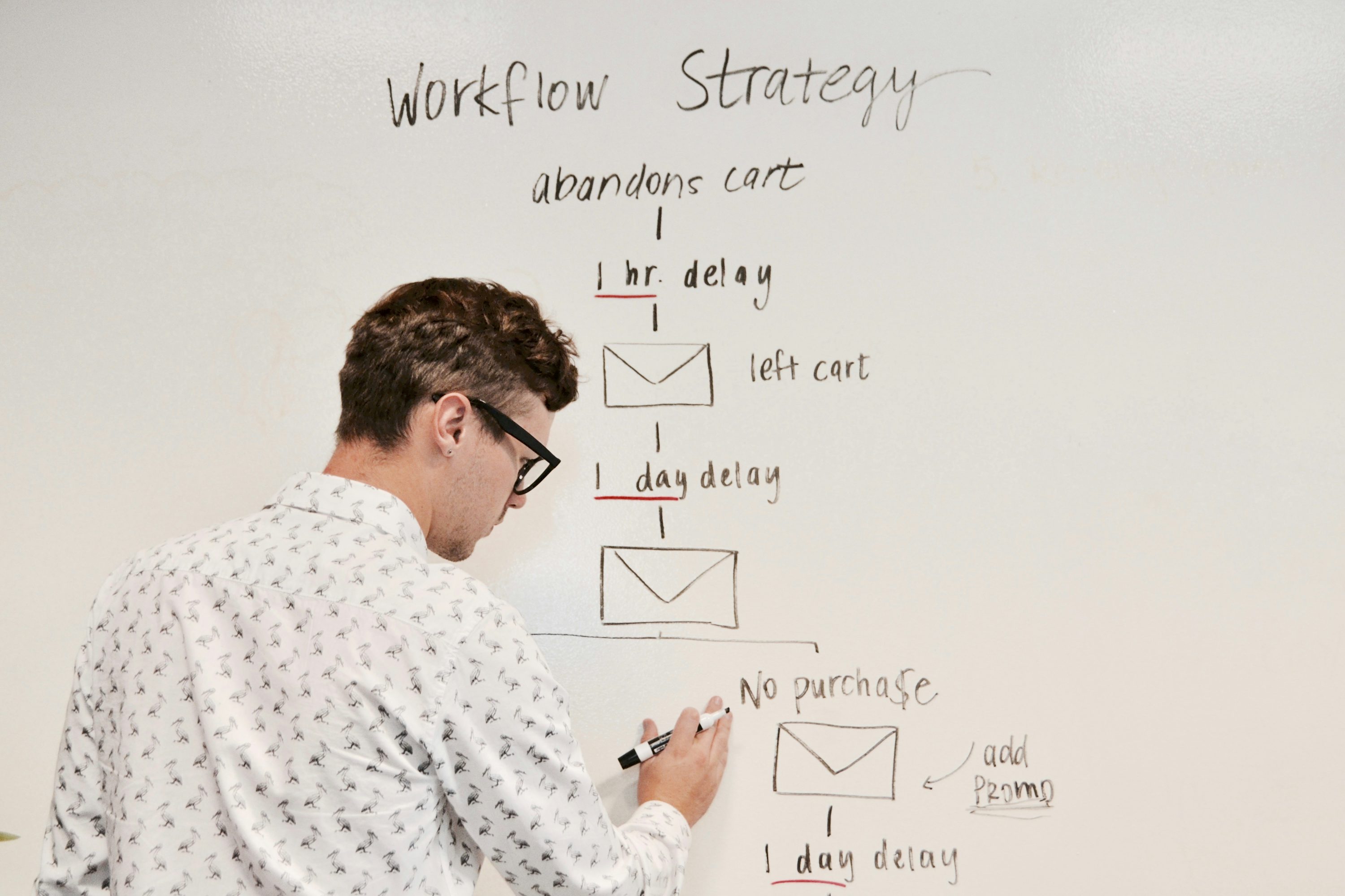
Building backlinks without tracking results is like exercising without ever stepping on a scale. You need measurement to know what is working and where to adjust.
Key metrics to monitor:
- New referring domains per month. This is the most important growth metric. Track how many unique domains link to your site over time.
- Domain authority trend. Watch your overall domain authority (or Domain Rating) to see the cumulative impact of your link-building efforts.
- Backlinks to specific pages. For each target page, monitor how many referring domains it has gained. Compare this to the benchmark you established from competitor analysis.
- Referral traffic from backlinks. Check your analytics to see how much direct traffic your backlinks are generating. High-traffic links are doubly valuable.
- Anchor text distribution. Ensure your anchor text remains natural and diverse. An over-concentration of exact-match keyword anchors can trigger algorithmic scrutiny.
Recommended tracking cadence: Review your backlink metrics monthly. Create a simple spreadsheet or dashboard that records your referring domain count, top new links earned, and any links lost. Over time, this data reveals which strategies deliver the best return on your time.
Common Mistakes to Avoid

Even well-intentioned link builders fall into traps that can waste effort or actively harm their rankings.
Prioritizing quantity over quality. One hundred links from spammy, irrelevant sites will hurt your rankings more than they help. Always evaluate a potential link source for relevance, authority, and real traffic before pursuing it.
Buying links. Purchasing backlinks violates Google's guidelines and risks severe penalties, including manual actions that can remove your pages from search results entirely. The short-term convenience is never worth the long-term risk.
Ignoring relevance. A backlink from a site in a completely unrelated niche carries minimal value and can look manipulative. Focus your efforts on earning links from websites that share topical overlap with your content.
Using the same anchor text repeatedly. If most of your backlinks use the exact same keyword-rich anchor text, it signals manipulation to search engines. Let your anchor text vary naturally across branded terms, generic phrases, and partial-match keywords.
Neglecting the content behind the link. Building backlinks to thin or outdated content is counterproductive. Before launching an outreach campaign, make sure the page you are sending links to is genuinely excellent and up to date.
Giving up too early. Link building is a long game. If you stop after a month because you do not see immediate ranking jumps, you miss the compounding effect that kicks in after sustained effort.
Timeline: When to Expect Results

Link building is not an overnight strategy. Setting realistic expectations helps you stay committed for the long haul.
Month 1-2: You are building your outreach pipeline, creating linkable assets, and sending your first batch of outreach emails. Expect minimal ranking movement but a handful of new referring domains.
Month 3-4: Your earlier efforts start converting. You should see a steady trickle of new backlinks landing, and some of your target pages may begin climbing in rankings for less competitive keywords.
Month 5-6: With consistent effort, your referring domain count has grown meaningfully. Domain authority starts to increase, and pages that were stuck on page two or three begin breaking into page one for moderately competitive terms.
Month 6-12: The compounding effect becomes visible. Your higher domain authority makes it easier to rank new content. Natural backlinks start appearing without direct outreach as your content gains visibility. Rankings stabilize and continue to improve.
Beyond 12 months: Link building becomes a sustainable cycle. Your established authority attracts links more easily, your content earns organic mentions, and the gap between you and less diligent competitors widens steadily.
The key takeaway is patience and consistency. A steady pace of five to ten quality backlinks per month will, over the course of a year, transform your website's authority and search visibility.
Putting It All Together

Building backlinks for your website is not about any single tactic. The most effective approach combines multiple strategies into a consistent, ongoing effort. Start by creating content worth linking to, then actively promote it through outreach, guest posting, and community engagement. Use SEOLens to research keywords that align with high link-building potential, and track your progress monthly to double down on what works.
For a deeper dive into backlink fundamentals, link quality signals, and advanced analysis techniques, read our complete backlinks guide. And if you want to make sure the rest of your SEO foundation is solid, our SEO audit guide walks you through a full site health check.
The websites that win in organic search are the ones that treat link building as a continuous process, not a one-time project. Start today, stay consistent, and let the compounding power of quality backlinks work in your favor.
Ready to research your keywords?
Try SEOLens for free — get search volume, keyword difficulty, CPC, and competition data instantly.
Try SEOLens Free